10 Self-Care Tips for New Mums
Dear New Mum: You’re Doing Better Than You Think
Having a baby - especially for the first time - is one of life’s most profound and life-changing experiences. While there are precious moments to be cherished, it is incredibly demanding, exhausting, and at times, isolating. Some days feel like a blur of tears and overflowing laundry baskets and trying to remember when you last ate, showered or had a moment to yourself. Please know that you are not alone, and that you’re not expected to have it all figured out. Alongside this, we’ve included 10 self-care tips for new mums to support your wellbeing during this period.

It’s OK If It’s Hard
You may have gone from a structured work environment to being “home all day” with a tiny human 24/7. You might wonder, what do I have to show for today? But keeping a baby fed, safe, and loved day after day, is an incredible achievement!
Be Kind to Yourself
In the early months, being kind to yourself means recognising everything your body and mind are working through.
Your body is healing from birth - recovery takes time
Hormonal changes can affect your mood and energy
Sleep deprivation is real and can make everything feel harder
Breastfeeding can be painful, frustrating, and emotionally draining
You’re navigating a constant cycle of feeding, nappy changes, settling and soothing - sometimes with an unsettled baby in the late afternoons when your energy is at its lowest
You’re adjusting to a new identity whist grieving parts of your old life - like the freedom to head out for lunch on a whim, without needing an hour to pack enough baby supplies to rival a camping trip
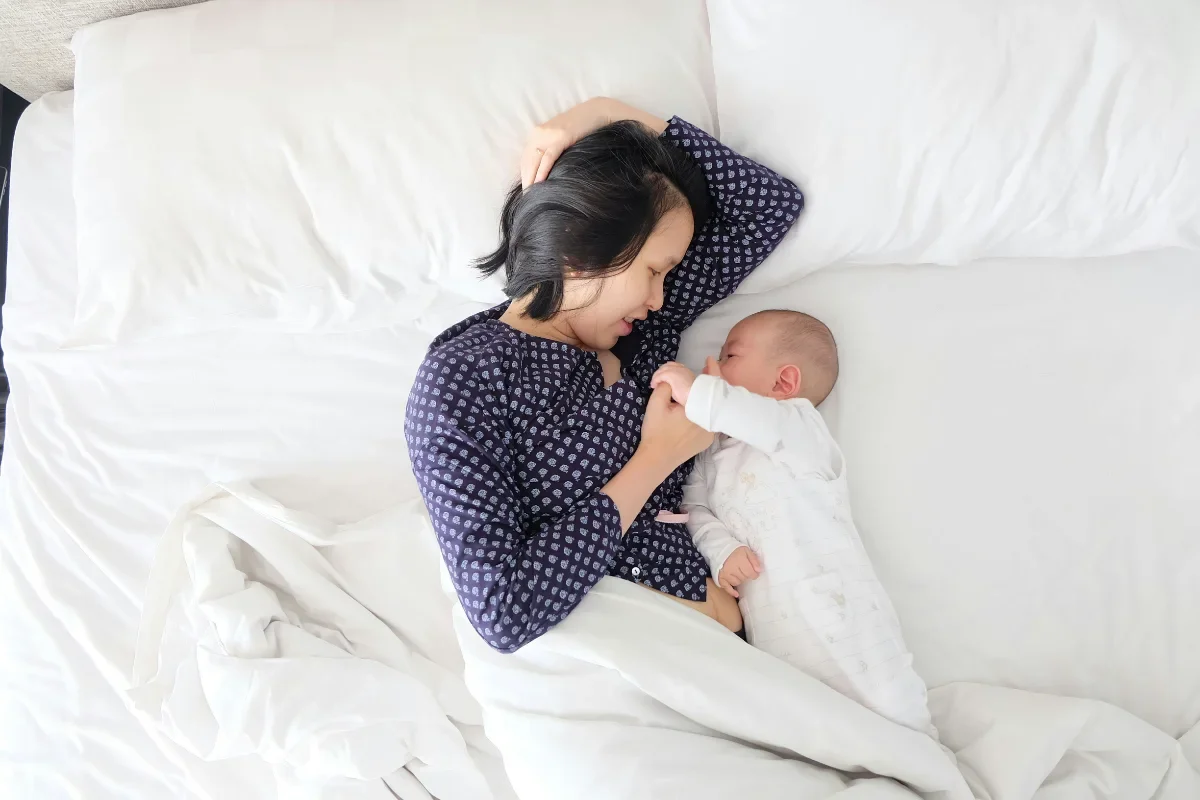
10 Practical Ways to Prioritise Self Care
Reach out to your support network - family, friends, GP, nurse, psychologist or someone you can trust
Join a new parents’ group - I know they are not for everyone, but please be open-minded as even one genuine connection can make a big difference
Accept help when it’s offered (and be specific about what you need) - whether it’s a coffee, meal, groceries, or just someone to hold the baby so you can take a shower
Say no to visitors if you need rest - it’s OK to set boundaries
Share the load - let your partner take on feeding if bottle-feeding, settling, and nappy changes
Step outside daily - Sunshine, fresh air and a change of scenery helps. Try visiting a local playgroup or library story time. It can make you feel less alone
Talk to someone - even a brief chat with a neighbour or barista can lift your spirits. Being home with a baby can make you crave an adult conversation
Try and eat regularly - especially iron-rich meals if you’ve had blood loss or are breastfeeding. It’s OK if some days all you can manage is toast or cereal
Rest when you can - a 20-minute nap can help to rejuvenate you and won’t interrupt your night-time sleep. If you can’t sleep, just lie down and listen to some music or a podcast and rest. That laundry really can wait!
Schedule regular small moments for yourself weekly - a bath, a walk, a coffee. Pre-arrange this with your partner or other family member, so it’s set in both your calendars
When You Might Need Extra Support
It’s OK to not feel OK. If you’re experiencing any of the following, please reach out:
Persistent sadness or crying, anxiety, irritability
Feeling overwhelmed or not yourself
Fatigue and low energy
Trouble sleeping
Difficulty with concentration or motivation
Loss of joy or interest in things you used to enjoy
Withdrawing from others
Appetite changes or weight loss
Feelings of disconnection from your baby
Repetitive negative thoughts
Feelings of hopelessness, guilt or inadequacy
Thoughts of suicide or wishing not to wake up
Understanding PNDA (Postnatal Depression and Anxiety)
PNDA is a common and treatable mental health condition that affects 1 in 5 new mums and 1 in 10 new dads in Australia.
It can occur any time during pregnancy or in the first year after birth and is more than just the “baby blues” which may occur 3 to 5 days after giving birth. While the baby blues typically pass within a few days, PNDA lasts longer and it can make everyday tasks feel overwhelming. Genetic factors, pre-existing mental health conditions and prior life experiences can make some women more vulnerable to PNDA.
PNDA can affect any parent and it’s nothing to be embarrassed or ashamed of. Becoming a parent is a huge life change, and it’s OK if you’re struggling. PNDA doesn’t reflect your ability to be a loving, capable parent - it’s a response to the huge emotional, physical, and hormonal changes that come with parenthood.
Please don’t suffer in silence. Talk to your partner, parent, friend, nurse, GP, psychologist or someone you can trust. With the right care, recovery is absolutely possible. All the GPs (and nurse Anna Bruce) at Mona Vale Doctors are parents ourselves - we've been there too. We’re here to support you and can help you to access a Mental Health Care Plan to connect you with a psychologist, and psychiatrist if needed, and discuss safe treatment options if required.
Come and Talk to Anna Bruce - Nurse and Midwife
Anna offers warm, expert care for new mums:
Early Childhood Health Checks
Feeding and Settling Support
Breastfeeding Support
Support and advice for mums
Anna is available for appointments on Tuesdays and Wednesdays. Book an appointment online.
We’re here for new dads too
Becoming a parent is a big transition, and dads need support just as much. Whether you're looking for guidance on bonding with your baby, supporting your partner, or managing the change in family dynamics, we’re here to help.

The team at Mona Vale Doctors are here to listen, support, and walk alongside you. Please reach out to us early and see below for some free and compassionate support services:
Helpful Resources
PANDA Helpline - 1300 726 306 | panda.org.au
Gidget Foundation - Counselling: 1300 851 758 | gidgetfoundation.org.au
ABA Breastfeeding Helpline - 1800 686 268 | breastfeeding.asn.au
Tresillian - Advice and residential stays for feeding, settling, and sleep:
Helpline: 1300 272 736 | tresillian.org.auMona Vale Child and Family Health Centre - Experienced nurses and breastfeeding support: 9998 6260 | nslhd.health.nsw.gov.au
Lifeline - 13 11 14 (24/7) or call 000 in emergencies