
focused care
Bone Health and Osteoporosis Care in Mona Vale
Protecting Strength, Mobility, and Independence for Longer



Protecting Women's Bone Health and Managing Osteoporosis in Mona Vale
Bone health plays an important role in maintaining strength, mobility, balance, and independence as we age, and it's something women need to pay particular attention to, as they are more prone to osteoporosis than men. At Mona Vale Doctors, we help patients across Mona Vale and the Northern Beaches better understand their bone health and take practical steps to reduce the risk of osteoporosis and future fractures.
Osteopenia refers to low bone density, where bones have become weaker than normal but not yet to the point of osteoporosis. Osteoporosis is a more advanced stage in which bones become fragile and porous, making them far more likely to break. Identifying osteopenia early gives us the best opportunity to slow bone loss and prevent osteoporosis from developing.
Bone density naturally changes throughout life, but bone loss can happen more quickly during perimenopause and after menopause due to falling oestrogen levels. Many women are surprised to learn that osteoporosis can develop gradually over many years without obvious symptoms. That's why early assessment and prevention are so important.
Our experienced GPs provide personalised bone health care tailored to your age, medical history, lifestyle, and individual risk factors. This may include bone health reviews, fracture-risk assessments, DEXA (bone density) scan referrals, blood tests where appropriate, medication reviews, and ongoing monitoring over time.
We also provide practical guidance around calcium intake, vitamin D, safe weight-bearing exercise, strength training, balance, and healthy lifestyle habits that support strong bones throughout life.
Some factors can increase the risk of osteoporosis and bone loss, including menopause, family history of osteoporosis or hip fracture, low calcium intake, smoking, excessive alcohol use, low body weight, reduced physical activity, certain medical conditions, and some medications.
If you have concerns about bone strength, are approaching menopause, have risk factors for osteoporosis, or simply want to better understand your long-term bone health, our caring GPs are here to support you with clear, evidence-based advice and ongoing care.


Comprehensive Bone Health and Osteoporosis Services
Looking after your bone health can feel overwhelming, especially after a fracture, new diagnosis, or changes around menopause. At Mona Vale Doctors, we take the time to explain your risk clearly and guide you through the next steps. Your care may include risk assessments, referrals for scans, blood tests where needed, lifestyle advice, medication reviews, and ongoing follow-up to help you stay strong and independent for longer.
Bone Health Assessments and Risk Screening

We consider medical conditions and medicines that may affect bone strength, including menopause, long-term steroid use, and some chronic health conditions. This allows us to better understand your bone health and future fracture risk.
Vitamin D and Calcium Review
Your GP can review whether you’re getting enough vitamin D and calcium through diet, sunlight, supplements, or conduct further testing if needed.
Fracture Risk Evaluation
We assess your risk of future fractures using evidence-based tools, alongside your age, medical history, bone density results, and other risk factors.
Menopause and Bone Loss Support
Bone loss can happen more quickly during and after menopause. We provide support and advice to help women understand and manage changing bone health risks.
DEXA (Bone Density) Scan Referrals
If appropriate, we can arrange a DEXA scan referral to check your bone density and help guide diagnosis, treatment, or ongoing monitoring.
Osteoporosis Diagnosis
If osteoporosis is suspected, we’ll explain your results clearly, investigate possible causes, and help you understand your treatment and prevention options.
Osteoporosis Medication Management
We help patients start, review, and manage osteoporosis medications safely, with regular follow-up and ongoing support.
Falls Prevention Advice
Falls can lead to serious fractures that affect mobility, confidence, and independence, especially as we get older. We provide practical advice to help improve balance, strength, mobility, and safety at home and outdoors.
Post-Fracture Follow-Up Care
A fracture after a minor fall can sometimes be a sign of weakened bones. We provide follow-up care to assess bone health and reduce future fracture risk.
Exercise and Lifestyle Guidance
We can guide you on safe exercise, strength training, and healthy lifestyle habits that support bone strength and help lower falls risk.
Nutrition Advice for Bone Strength
We offer practical advice on calcium-rich foods, protein intake, and healthy eating habits.
Referrals to Endocrinologists and Rheumatologists
If you need more specialised care, we can arrange referrals to trusted specialists and help coordinate your ongoing treatment plan.
Bone Health for Different Age Groups
Children and Adolescents
Childhood and the teenage years are important for building strong, healthy bones. Regular exercise, outdoor activity, enough calcium and vitamin D, and healthy eating all help bones grow and strengthen. Building strong bones early in life may help reduce the risk of osteoporosis later on.
Young to Middle Adulthood (Age 20–50)
Most people reach their peak bone strength by around age 30. Healthy habits during adulthood can help maintain bone strength over time. Weight-bearing exercise, strength training, healthy nutrition, limiting alcohol, and avoiding smoking all play an important role in supporting long-term bone health.
Mid-life and Menopausal Adults (Age 50–70)
Bone loss can happen more quickly during and after menopause because oestrogen levels fall. This may increase the risk of osteopenia, osteoporosis, and fractures. During this stage of life, it can be helpful to review your bone health, calcium intake, vitamin D levels, exercise habits, and whether a bone density scan may be appropriate.
Older Adults (Age 70+)
As we get older, looking after bone strength, balance, and mobility becomes even more important. Falls and fractures can affect confidence, independence, and everyday activities. Regular exercise, healthy eating, medication reviews, falls prevention, and ongoing bone health checks can all help support healthy ageing and help you stay active for longer.
After a Fracture
A fracture after a minor fall or bump, especially after age 50, can sometimes be an early sign of weakened bones or osteoporosis. Many people are surprised to learn that fractures involving the wrist, spine, shoulder, or hip may be linked to reduced bone density.
At Mona Vale Doctors, we provide follow-up care after fractures to help assess your bone health and reduce the risk of future fractures. Your GP may recommend a bone density (DEXA) scan, blood tests, medication review, falls-risk assessment, or practical advice around exercise, calcium, vitamin D, and healthy ageing.
Men and Bone Health
Osteoporosis and bone loss can affect men too, especially as they get older. Many men do not realise they are at risk until they experience a fracture after a minor fall or injury.
Factors such as ageing, low testosterone, smoking, excessive alcohol intake, low physical activity, poor nutrition, some medical conditions, and long-term steroid use can all affect bone strength. A family history of osteoporosis or fractures may also increase risk.
At Mona Vale Doctors, we help men better understand their bone health and take practical steps to stay strong and active for longer. This may include lifestyle advice, exercise guidance, nutrition support, bone density scans, and ongoing monitoring where needed.

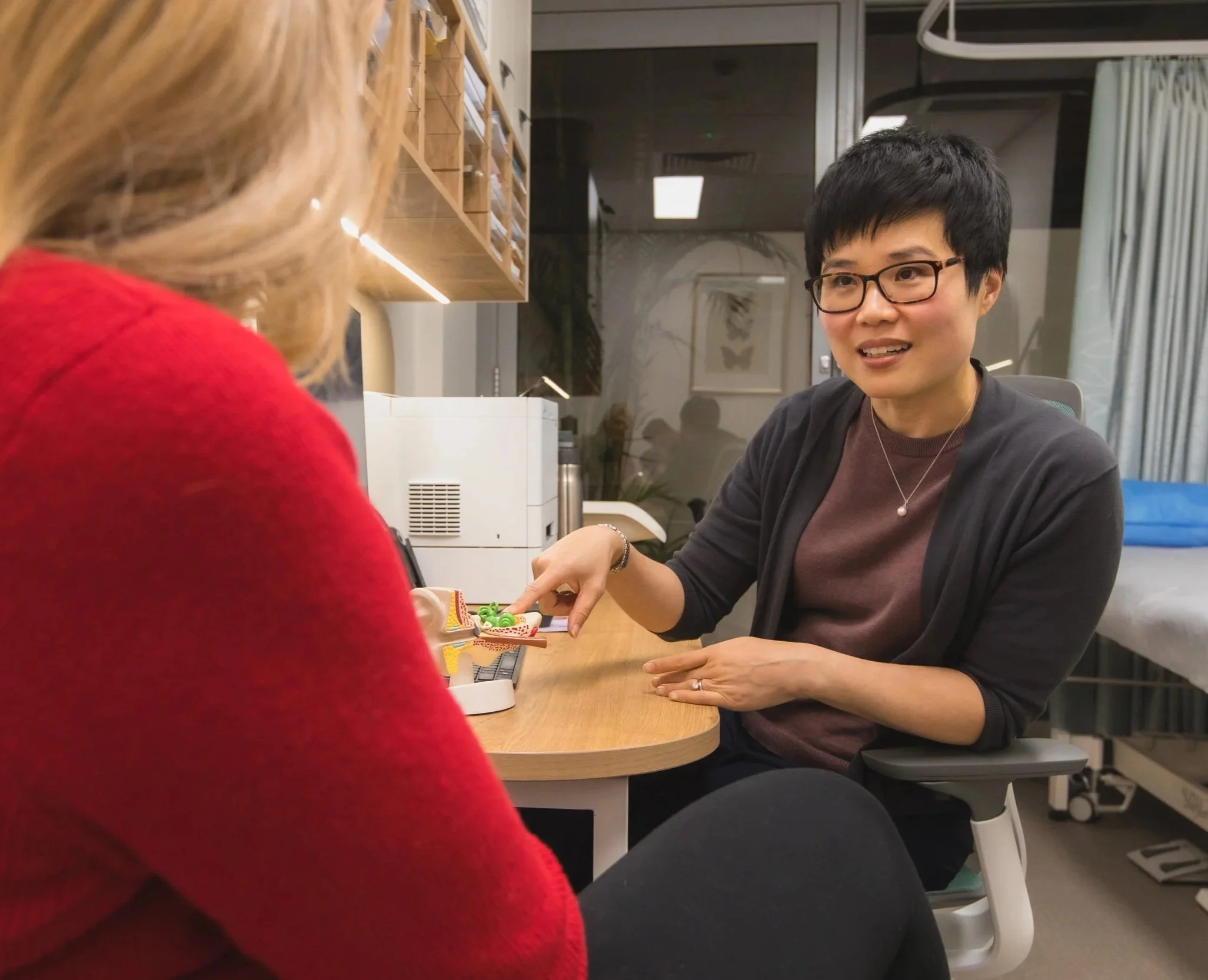
Our Trusted Team of Nurses and GPs
At Mona Vale Doctors, we understand that concerns about bone health and osteoporosis can feel worrying, especially after a fracture or new diagnosis. Our caring GPs take the time to listen, explain things clearly, and help you feel supported throughout your care.
We provide ongoing support for bone health checks, osteoporosis management, menopause-related bone loss, medication reviews, and follow-up after fractures. Our focus is on helping you stay active, independent, and confident for longer.
When needed, we can also arrange referrals to trusted specialists and imaging providers, helping make your care as smooth and connected as possible.
Why Mona Vale Families Choose Us for Bone Health and Osteoporosis Care

Experienced GPs and Fellows of the Royal Australian College of General Practitioners (RACGP) who provide personalised osteoporosis and bone health care
Prompt appointments for fractures, falls, back pain, and follow-up care
Support for women managing menopause and menopause-related bone loss
Referrals to trusted local specialists and DEXA scan providers when needed
Falls prevention, lifestyle guidance, and practical support to help you stay active and independent
Trusted by Mona Vale and Northern Beaches families for compassionate, evidence-based care since 2006
On-site pathology for vitamin D, calcium, and related bone health investigations
Ongoing medication reviews, monitoring, and long-term follow-up care
FAQs
-
A DEXA scan may be recommended if you’re over 50, have had a fracture after a minor fall, are going through menopause, or have other osteoporosis risk factors. Your GP can assess whether a scan is appropriate and whether Medicare eligibility applies.
-
Possible signs can include height loss, ongoing back pain, or fractures after a small fall or minor injury. Osteoporosis is often called a “silent” condition because bone loss can happen gradually without obvious symptoms. The Australian Institute of Health and Welfare estimates that more than 850,000 Australians are living with osteoporosis or osteopenia, although many people may not realise they have it until a fracture occurs.
-
Healthy eating, weight-bearing exercise, balance training, and avoiding smoking can help support bone strength and reduce falls risk. Some people may also need medication.
-
Mona Vale Doctors is a private billing practice, so most consultations involve an out-of-pocket fee after the Medicare rebate. Reduced fees are available for pensioners. Please contact our team or view our fees page for current pricing.
